Sequence Collect 2026: AI Innovation in CPA Practices
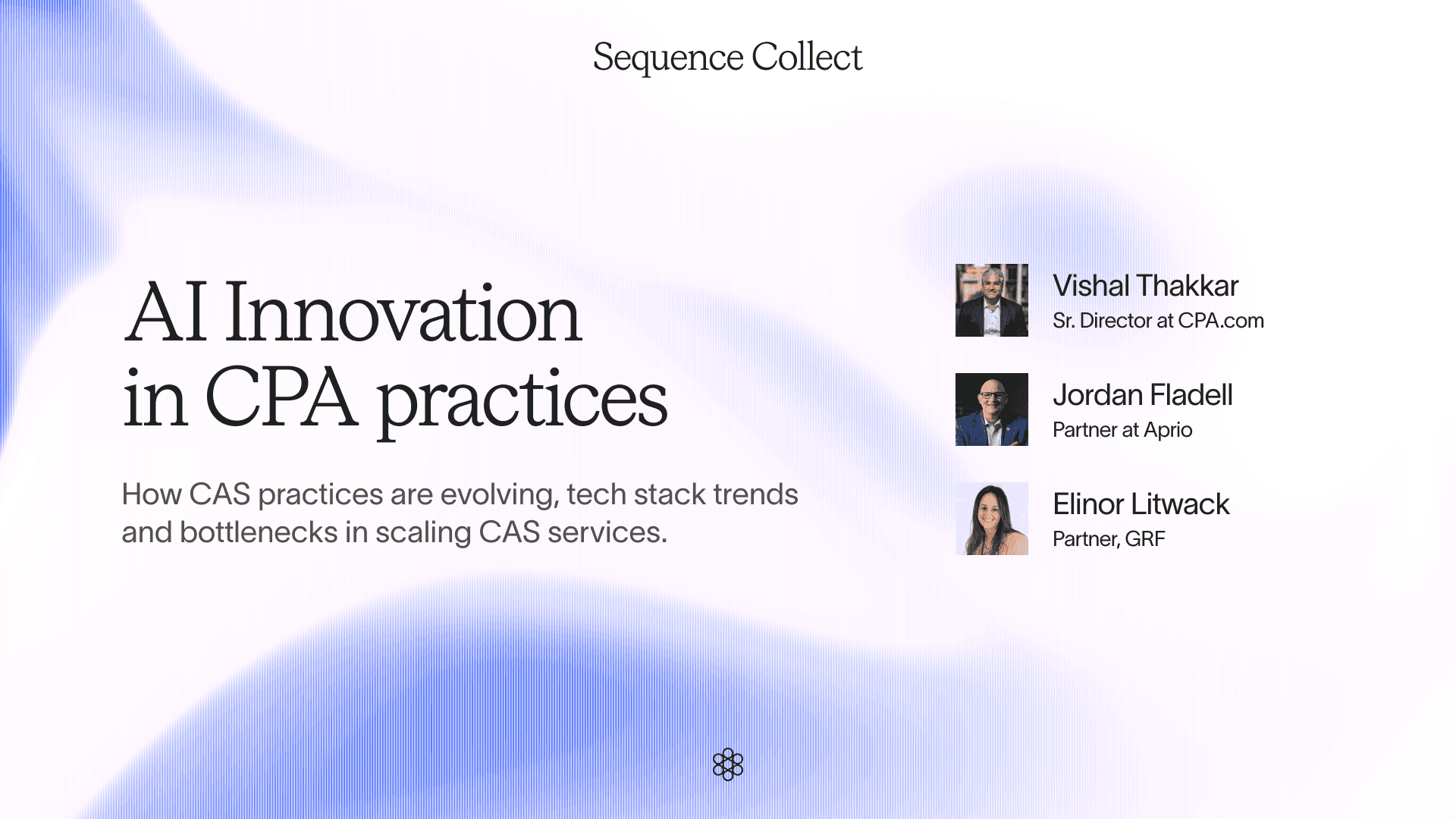
Vishal Thakkar is Senior Director of Alliances at CPA.com, Jordan Fladell leads technology advisory at Aprio after years on the other side of the table as a client, and Elinor Litwack spent 19 years making partner at GRF and now leads the firm's AI strategy. On September 9th, at Sequence's Collect 2026, they compared notes on what AI is really doing inside accounting firms, from why data is the thing gating automation to how firms evaluate vendors now, and which generation in the firm is using the tools on a day to day basis.
What finance should outsource when the work is changing
At Collect 2026, Vishal from CPA.com sat down with Jordan Fladell, Partner at Aprio, and Elinor Litwack, Partner at GRF CPAs & Advisors, to talk through how accounting firms are changing as more of the underlying finance work gets automated.
Don’t outsource the finance function all at once
Elinor thinks most finance teams work best as a blend of in-house and outsourced, with each part of the work sitting where it fits.
She separates the work into three layers: core tasks like payroll, AP, AR and monthly close; controller work around controls and safeguarding assets; and the CFO layer covering strategy, FP&A and technology decisions.
As more of the first layer gets automated, finance teams can look at the talent they already have and decide where an outside firm fills a real gap.
For larger companies, that often means a hybrid approach rather than outsourcing or insourcing everything. The systems an outside firm builds should scale with the business and eventually be easy for an internal team to take over.
AI makes experience more useful
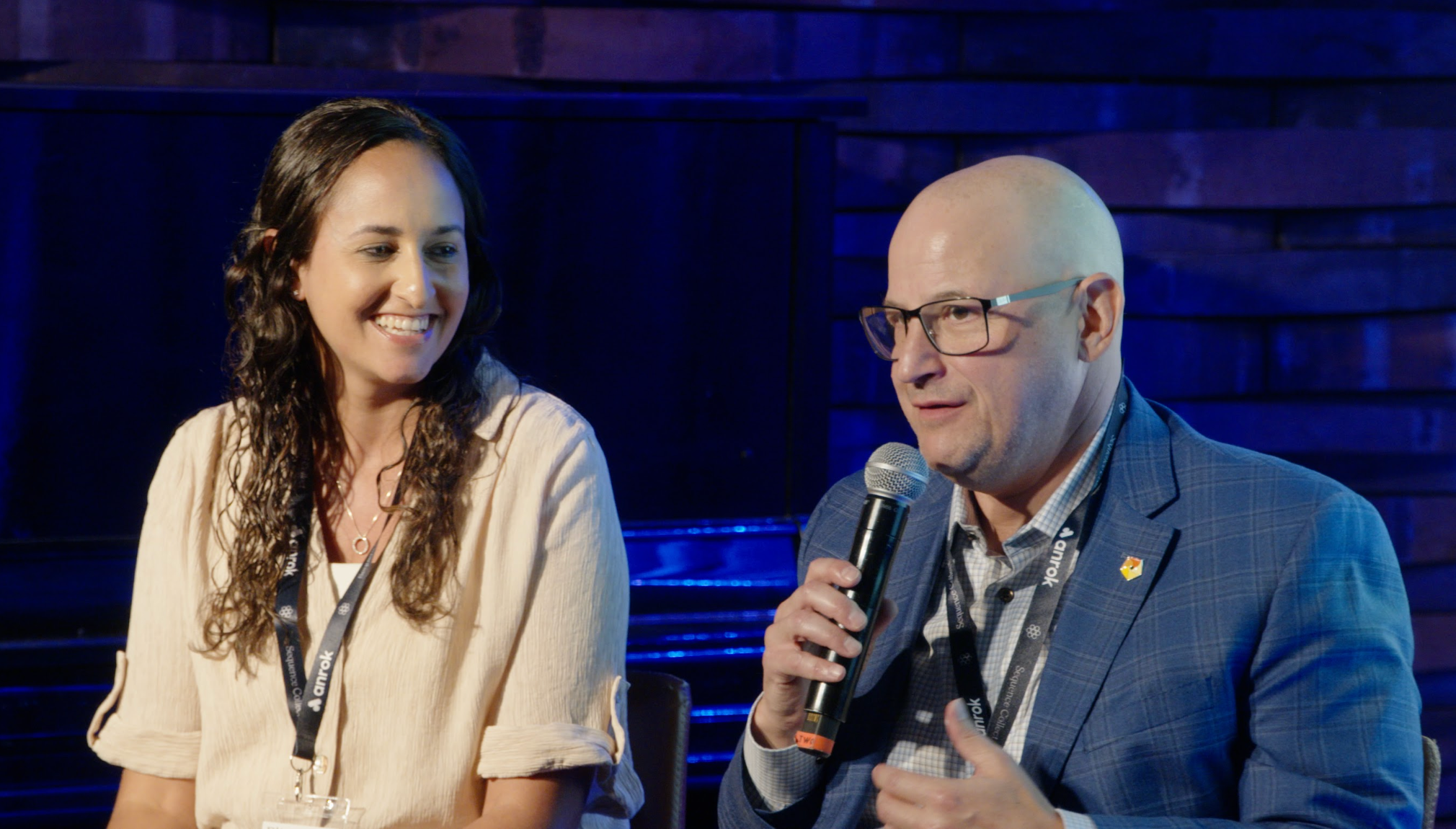
GRF expected its younger employees to use AI the most. Instead, Elinor found that usage was highest among leadership.
Jordan thinks experienced people have an advantage because they know what to do with the time AI gives back. If an agent takes work off someone’s plate, the value isn’t just doing the same job faster, but using that time to advise the client on something the technology can’t.
He’s already seen that happen at Aprio. One junior member of the audit team was promoted two levels after using AI and FieldGuide to change how they worked with a client.
As more of the underlying accounting work gets automated, the industry knowledge and judgment around it become a bigger part of what clients are paying for.
Bad data is holding AI back
For Jordan, the biggest barrier to AI adoption in finance is data, and we see it the same at Sequence.
A company can upgrade its software and still get disappointing results if the information underneath it was never structured properly. Years of correcting problems with journal entries make it harder. The financials can end up right while the underlying data gets more difficult to automate against.
That matters more as AI moves from helping with individual tasks to taking actions itself, because an agent needs the same context, access and understanding of what good looks like as the person who would otherwise be doing the job.
Our own engineering team runs into this with the agents they use day to day. Most of the effort goes into steering the agent back on track, and the fix is usually the same foundations a new hire would need, like clean data, clear rules and errors that are easy to read.
Better models and agents can’t fix the information underneath them, so finance teams can’t expect agents to be deployed across the org and automate a lot of the work while the underlying data isn’t in shape yet.
Book a demo